Skip the Crowds: 7 Underrated Southeast Crags Worth the Drive
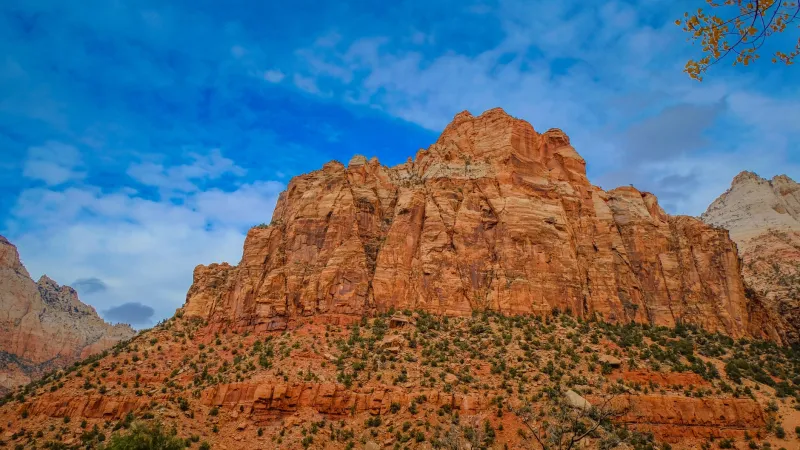
Let's be honest. If you've spent a weekend at Red River Gorge during fall peak season, you already know the feeling — parking lots packed by 8 a.m., your favorite warm-up route queued three parties deep, and a campsite that sounds more like a festival than a wilderness retreat. Red River is magic, no argument there. Same goes for New River Gorge. But the Southeast has a lot more rock than those two zip codes, and some of the best climbing in the region is sitting out there right now, mostly empty, waiting for climbers who are willing to do a little homework.
We dug into local knowledge, consulted with regional climbers, and mapped out seven crags that consistently fly under the national radar. Each one brings something genuinely special to the table.
1. Foster Falls, Tennessee
Tucked into the South Cumberland State Park near Sequatchie, Foster Falls offers a stunning mix of sport and trad climbing on featured sandstone. The waterfall backdrop is straight-up cinematic, and the routes — many in the 5.9 to 5.12 range — are well-bolted and surprisingly varied. Access is easy from a maintained trail, and the state park infrastructure means reliable restrooms and camping nearby. Weekday visits are almost eerily quiet for a crag this good.
What to know: The rock can be slow to dry after rain. Check conditions before making the drive. Local climbers from Chattanooga frequent this spot, so introducing yourself goes a long way.
2. Laurel Knob, North Carolina
Laurel Knob doesn't get talked about enough outside of North Carolina's climbing community, and that's honestly baffling. Located near Cashiers in the Nantahala National Forest, this exposed granite dome hosts some of the best slab and face climbing in the entire Southeast. The approach is a moderate hike, and the views from the top are the kind that make you forget you're supposed to be focused on footwork.
Routes range from beginner-friendly slabs to committing trad lines in the 5.11 range. The rock quality is exceptional — clean, grippy, and reliable. This is a fantastic destination for climbers transitioning from gym movement to outdoor technical climbing.
What to know: Permits may be required depending on the season. Check with the Nantahala National Forest for current access info before you go.
3. Rocktown, Georgia
Located in the Cloudland Canyon area near Trenton, Rocktown is a bouldering paradise that most sport climbers completely overlook. The conglomerate rock formations are unlike anything else in the region — chunky, juggy, and surprisingly technical when the problems start trending toward V5 and above. The setting inside the Pigeon Mountain Wildlife Management Area adds a wild, remote feel that's hard to find this close to a major metro like Atlanta.
The local climbing community here is tight-knit and welcoming. First-timers should connect with the Southeastern Climbers Coalition (SCC), which has been instrumental in maintaining access at Rocktown.
What to know: Access is managed through the Georgia DNR. Seasonal closures apply for wildlife protection — typically during raptor nesting season. Plan accordingly.
4. Obed Wild and Scenic River, Tennessee
The Obed gets a mention in guidebooks, but it rarely shows up on most climbers' road-trip shortlists, which is a genuine shame. The sandstone gorges along the Obed and Emory rivers host hundreds of routes, many of them in that satisfying 5.10 to 5.12 sweet spot. The setting — deep river gorges, old-growth forest, and near-total solitude — is legitimately spectacular.
The NPS manages the area, and the climbing community has worked hard to build a cooperative relationship with rangers. Stay on established trails, pack out everything, and you'll be helping preserve access for everyone who comes after you.
What to know: Some areas require rappelling in. Bring gear rated for wet conditions — the gorge environment can be damp even on dry days.
5. Anniston Area, Alabama
Alabama doesn't usually come up in climbing conversations, but the sandstone bluffs around Anniston — particularly at Horse Pens 40 and the surrounding ridgelines — offer surprisingly technical bouldering and some excellent top-rope options. Horse Pens 40 is a private venue with an entrance fee, but the rock quality and quirky Southern atmosphere make it worth every dollar. The formations are ancient and heavily featured, producing movement that's unlike what you'll find anywhere else in the region.
What to know: Horse Pens 40 hosts events throughout the year that can affect availability. Check their calendar before making the trip.
6. Pilot Mountain State Park, North Carolina
The iconic quartzite knob rising above the Piedmont is unmistakable from I-77, and it's been attracting climbers for decades — but it still doesn't get the same traffic as Linville Gorge or Looking Glass. Traditional climbing on the Big Pinnacle is the main event here, with routes ranging from moderate crack systems to serious face climbing in the 5.11 and up range. The NC State Parks system manages access carefully, so route permits are required for certain formations.
The community around Pilot Mountain is passionate about stewardship. If you're visiting for the first time, connect with local climbers through Mountain Island Climbers or similar regional groups.
What to know: Permit systems and seasonal closures are strictly enforced. Respect them — this is a state park with significant non-climbing visitation.
7. Sunset Rock / Lookout Mountain, Tennessee/Georgia
Yes, technically Lookout Mountain straddles the state line, and yes, some climbers know about it — but compared to the volume of traffic hitting nearby Chattanooga crags, Sunset Rock remains remarkably uncrowded. The sandstone here offers excellent moderate routes that are perfect for building outdoor mileage, and the views across the Tennessee Valley are the kind that remind you why you started climbing outdoors in the first place.
The approach from the Covenant College area is short and well-marked. Routes top out on a broad ledge with panoramic exposure that feels far more committing than the grades suggest.
What to know: Some access points cross private land. Stick to established approaches and stay informed through local climbing clubs in the Chattanooga area.
Make the Most of Off-the-Beaten-Path Climbing
Every one of these crags has something the famous destinations can't always offer: space to breathe, routes to yourself, and the satisfaction of discovering a place before the crowds catch on. That said, off-the-beaten-path doesn't mean consequence-free. Access at several of these areas is actively managed and occasionally fragile — one bad actor can undo years of community work.
Before you visit any new crag, do a quick check with the SCC, local climbing coalitions, or the land management agency in charge. Leave No Trace principles aren't optional here. And when you find something great, consider giving back — volunteer for trail maintenance, join a local club, or simply treat the place with the respect it deserves.
The Southeast has more incredible rock than most people realize. Get out there and find it.
