Before You Rope Up Together: How to Actually Vet a Climbing Partner
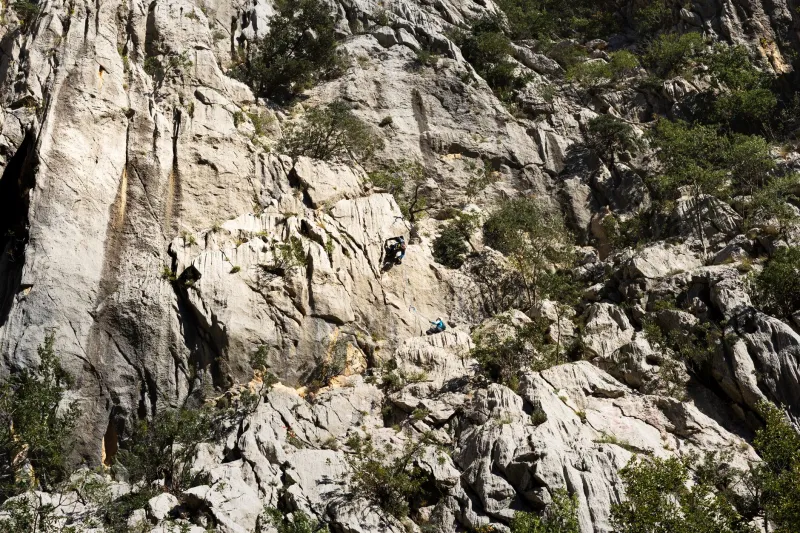
Somewhere between the hangboard and the campus board, a lot of climbers have convinced themselves that the hardest part of building a solid partnership is finding someone who climbs at the same grade. It's not. Grades are almost beside the point. What actually makes or breaks a climbing partnership — especially once you're outside, committed to a route, and things stop going according to plan — is a whole set of factors most people never bother to discuss before they're already 300 feet off the deck.
This isn't about being overly cautious or treating every potential partner like a job candidate. It's about recognizing that your first few climbs together are, whether you call it that or not, an audition. The question is whether you're paying attention.
Why Gym Friendships Don't Always Translate
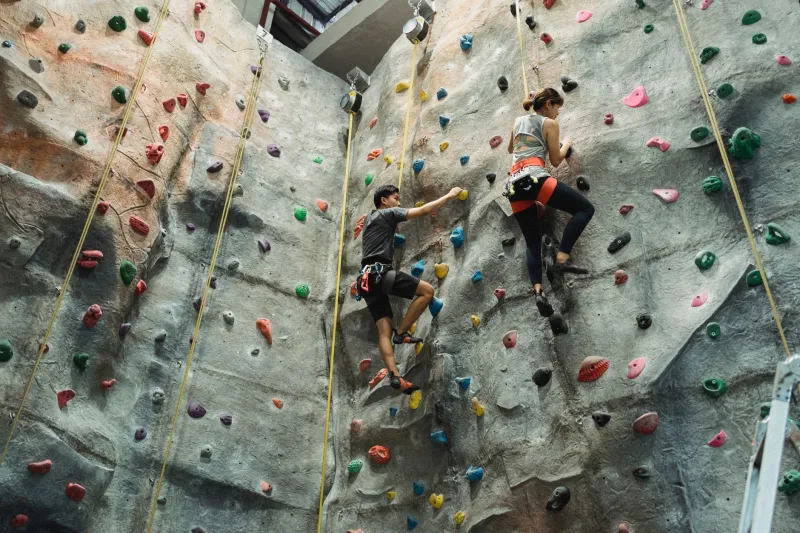
The gym is a controlled environment. Routes are set, the ground is padded, and the stakes are low. It's easy to look like a solid, communicative partner when nothing is actually on the line. You can shrug off a sketchy sequence, laugh about a whipper onto a bolt, and grab coffee after without a second thought.
Outdoor climbing strips all of that away. The rock doesn't care about your gym grade. Weather rolls in. Gear placements feel uncertain. Descents get confusing. And suddenly you're learning things about someone that the gym never would have revealed — how they handle ambiguity, whether they communicate when they're scared, and what their version of "good enough" looks like when they're building an anchor.
None of this means your gym friend can't become a great outdoor partner. It just means you need to do a little more homework before you hand them the sharp end on something serious.
Start Small and Watch Closely
The most practical advice anyone can give you is to start with a low-commitment day before you plan anything bigger. One pitch. A well-traveled crag. Something neither of you will feel pressure to push through if it's not going well.
That first day isn't really about climbing. It's about information gathering. Pay attention to how your potential partner talks about risk. Do they dismiss concerns quickly, or do they actually engage with them? How do they respond when something doesn't go as planned — a missed turn on the approach, gear that doesn't fit the crack, a route that's wetter than expected? Do they get frustrated and push anyway, or do they recalibrate?
None of these things are dealbreakers on their own. But they're data points. And data points compound.
The Conversations That Feel Awkward but Aren't Optional
Here's where a lot of climbers drop the ball. They assume that if things feel comfortable, the important stuff must be aligned. That's not how it works. Comfort and compatibility aren't the same thing, and the conversations that matter most are exactly the ones people tend to avoid because they feel a little too serious for a casual climbing day.
So have them anyway. Here's a loose framework:
Risk tolerance. Ask directly. "How do you think about runout climbing?" or "What's your approach when conditions are borderline?" Listen for how they talk about it, not just what they say. Someone who immediately jumps to "I just go for it" might be confident — or they might be someone who doesn't process risk carefully. Either way, you want to know.
Decision-making under pressure. Ask about a time a climb didn't go as planned. How did they handle it? Did they bail when they needed to, or did they push through something sketchy because they didn't want to back off? There's no perfect answer here, but the way someone tells that story will tell you a lot about how they'll behave when you're both tired and the route is longer than expected.
Pace and goals. This one sounds minor until you're on hour six of a multi-pitch and one of you is in a hurry and the other is moving carefully. Talk about what you each want out of the day. Are you there to push your limits or to enjoy the experience? Are you comfortable taking long breaks on ledges, or does sitting still make you anxious? These things matter more than most people think.
Communication style. Some people want constant check-ins. Others prefer to move quietly and efficiently. Neither is wrong, but if one person needs verbal reassurance and the other interprets that as annoying, you're going to have a long day. A quick "how do you like to communicate on the wall?" goes a long way.
The First Project Together: What It Reveals
If the initial day goes well and you're thinking about committing to something bigger — a full day at a new crag, a multi-pitch objective, a road trip — treat the first real project as a deliberate test run. Pick something that's well within both your abilities. Not a warm-up, but not a stretch goal either. You want enough challenge to see how you work together under mild pressure, without so much consequence that a bad dynamic becomes genuinely dangerous.
Watch for how decisions get made. Is it collaborative? Does one person default to leading every call? Does the other one disengage and just follow along? In a real partnership, both people need to be genuinely present in the decision-making — especially when conditions change or the plan needs to shift.
Also pay attention to how you feel at the end of the day. Not just physically tired, but emotionally. Do you feel like you were a team? Or do you feel like you spent the day managing someone else's energy, anxiety, or ego? That feeling is worth taking seriously.
A Few Green Flags Worth Mentioning
It's easy to focus on what to watch out for, but there are genuinely good signs that a partnership has legs:
- They say "I'm not sure" or "I don't know" without embarrassment.
- They ask about your comfort level before assuming.
- When something goes sideways, their first instinct is problem-solving, not blame.
- They're willing to bail — and don't make it a big deal when they do.
- They check in without being asked.
None of these things require someone to be an expert climber. They require someone to be a thoughtful person. Which, on a route that matters, is worth a lot more than a hard redpoint.
The Bigger Picture
Building a real climbing partnership takes time, and there's no shortcut that replaces just putting in days together. But going in with a little more intentionality — treating those early climbs as the information-gathering sessions they are, having the conversations that feel slightly uncomfortable, paying attention to what you actually observe rather than what you hope is true — makes the whole process a lot more efficient.
The goal isn't to find a perfect partner. It's to find someone you can trust when things get real. And the only way to know if that's the person standing at the base of the wall with you is to actually look.