Why the Gym Lied to You (And How to Actually Get Good Outdoors)
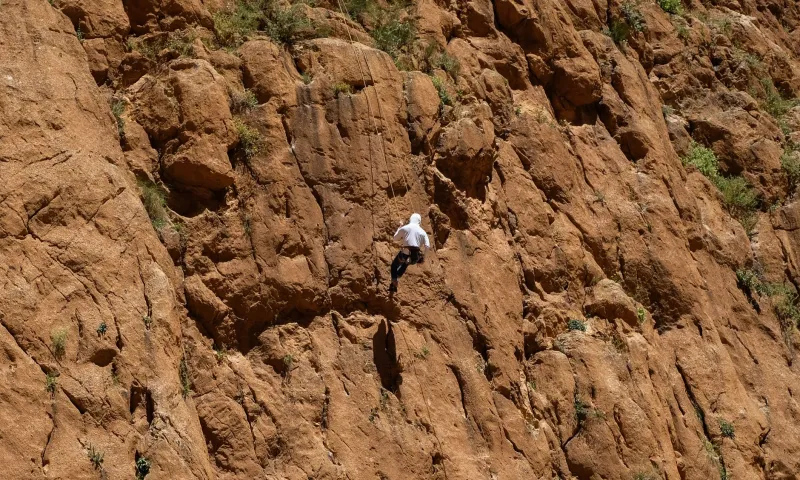
There's a moment that almost every gym climber eventually experiences. You've been training consistently, your grades have been creeping up, your footwork feels dialed, and you finally make it out to an actual crag. Maybe it's your first time, maybe it's your fifth. Doesn't matter. You tie in, look up at the route, and then proceed to flail through something rated two grades below your gym level while your more experienced friends pretend not to notice.
Welcome to the outdoor wall. It's humbling out here.
The frustration is real, and it's almost universal among climbers who start indoors. But here's the thing — the gap between what you can do in a gym and what you can do on real rock isn't a sign that you're doing something wrong. It's a predictable consequence of how different these two environments actually are. Once you understand why the gap exists, you can start closing it.
The Gym Was Built for You. Rock Wasn't.
This sounds obvious, but it's worth sitting with for a second. Indoor climbing walls are engineered environments. The holds are designed to be gripped. The angles are predictable. The beta — the sequence of moves — is set intentionally by a human being who wanted you to have a specific experience on that specific problem.
Outdoor rock doesn't care about you at all.
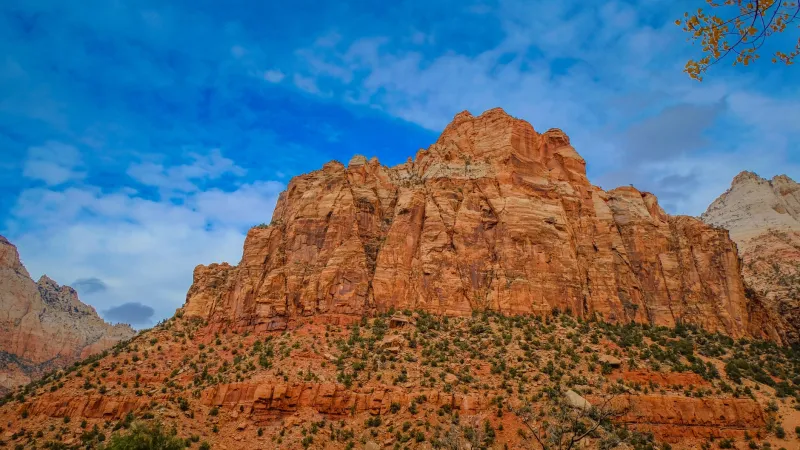
Natural stone is irregular, unpredictable, and frequently counterintuitive. The holds you need might be slopers angled the wrong way, or tiny edges that require smearing your shoe against a feature that doesn't look like a foothold because it isn't — except it kind of is. Reading outdoor routes is a skill that takes time to develop, and the gym barely teaches it because gym routes are already pre-read for you by the setter.
"Gym climbing trains you to be reactive," says Priya, a climbing guide based out of Red River Gorge in Kentucky who runs intro-to-outdoor programs for gym climbers. "You see a hold, you grab it. Outside, you have to slow down and actually look. The rock is telling you something, but it's not speaking the same language you learned indoors."
The Rubber Meets the Rock
Footwork is where a lot of gym climbers get exposed fastest. In the gym, holds are big, obvious, and usually flat-ish. You can get away with sloppy foot placements because the hold will catch your shoe regardless. On granite, sandstone, or limestone, that same sloppiness sends you straight to the ground.
Outdoor climbing demands precision — not just where you place your foot, but how. The angle of your heel, the part of your shoe making contact, the amount of weight you commit — all of it matters more on natural stone than it ever will on a plastic jug.
This is one of the most productive things to work on in the gym if your goal is outdoor climbing: slow down and make every foot placement deliberate. Climb like the holds are smaller than they are. Use your pinky toe edge on holds that don't require it. Practice smearing on the wall itself, not just the holds. You'll feel ridiculous, but you'll feel much less ridiculous when you're actually outside.
The Psychological Piece Nobody Mentions
Beyond the technical differences, there's a mental adjustment that catches a lot of gym climbers off guard. The gym is safe in ways that are easy to take for granted — consistent lighting, padded floors, routes that are inspected and maintained, the ambient hum of other people around you.
Outdoor climbing introduces variables. The rock might be wet in spots. The anchor might look different than you expected. There's no padding below you at a sport crag, and the fall potential feels — and sometimes is — more consequential.
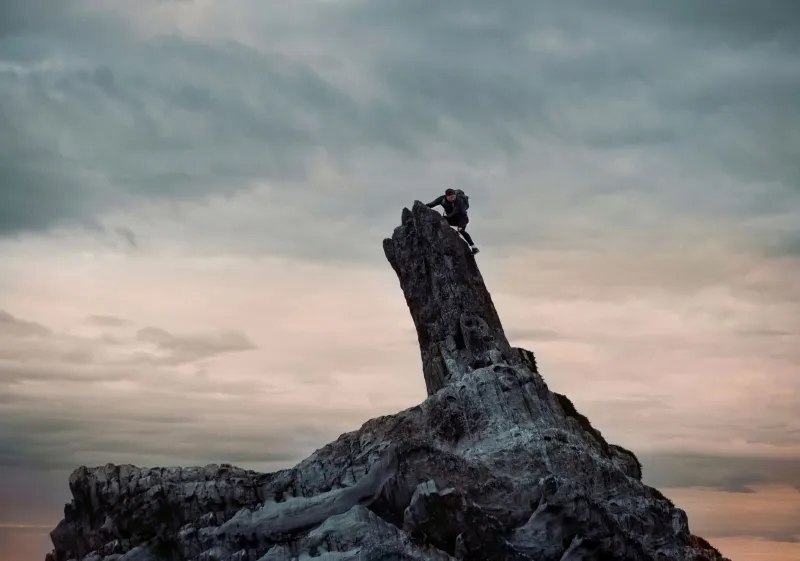
"The exposure is real," says Priya. "Even on a well-bolted sport route, being 40 feet off the deck feels different than being 40 feet up in a gym. Your body knows the difference."
This is normal. It's not weakness. But it does mean that your first several outdoor sessions should be about building comfort and familiarity, not projecting hard grades. If you go outside expecting to perform at your gym level and instead spend the whole day feeling sketched out, that's information — not failure.
Common Plateaus and How to Push Through Them
Most gym-to-crag climbers hit a few predictable walls (no pun intended):
The Route-Reading Plateau You can climb the route, but only after watching someone else do it or working each move individually. Solution: spend time at the base of routes before you touch them. Look for features, not just holds. Ask yourself where you'd rest, where the cruxes might be, what the general logic of the line seems to be. Do this even on routes you could flash — the practice is the point.
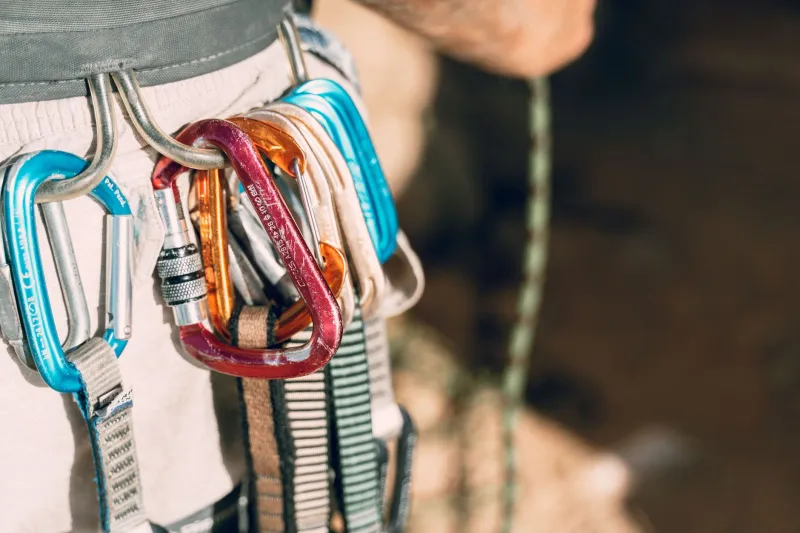
The Gear Comfort Plateau Clipping bolts while pumped, building trad anchors, even just managing your rope outdoors — these are skills that don't exist in the gym and can feel overwhelming at first. Take a course. Seriously. A half-day clinic on sport anchor building or lead climbing outdoors is worth more than a hundred gym sessions when it comes to actual field competence.
The Grade Ego Plateau This one's the toughest. You need to be willing to climb easy routes outdoors for a while, even if they feel beneath you based on your gym level. Easy outdoor routes teach you things. They build the outdoor-specific movement vocabulary you don't have yet. Climbers who refuse to do this — who only want to try their gym grade outside — often stagnate.
Using Gym Time More Intentionally
If outdoor climbing is your real goal, the gym should be serving that goal — not just existing as its own separate pursuit.
A few shifts that make a difference:
- Climb on the slab wall more. Seriously. Slab is underrepresented in most gyms and overrepresented on actual rock. The balance and footwork demanded by slab transfers directly.
- Avoid beta-spraying. Work out moves yourself before asking. Route-reading is a muscle.
- Try climbing in your outdoor shoes occasionally if they differ from your gym pair. Get used to how they feel.
- Simulate outdoor pacing. Rest longer between attempts. Eat a snack. Walk around. Gym climbing is high-intensity and short-rest. Outdoor days are long, variable, and require a different kind of endurance.
The gym is a tool. A good one. But like any tool, it works better when you're clear on what you're building.
The Crag Will Teach You
Here's the honest truth: there's no substitute for time outside. Every trip to the crag — even the humbling ones, especially the humbling ones — is teaching you something the gym can't. The rock is a more demanding teacher, but also a more honest one.
So go. Go often. Go to easy areas and climb easy routes and pay attention to what the rock is telling you. The gym will still be there when you get back, and you'll use it better for the experience.