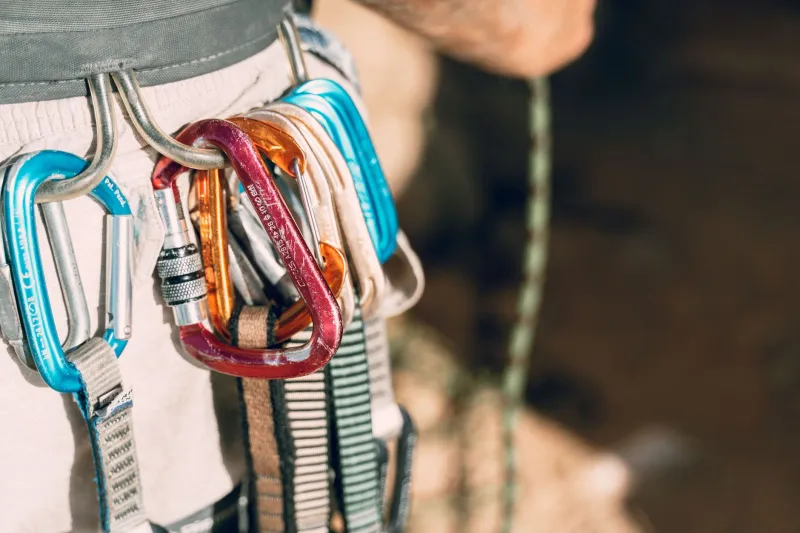
Your Brain on New Rock: Mental Strategies That Actually Work When You're Scared
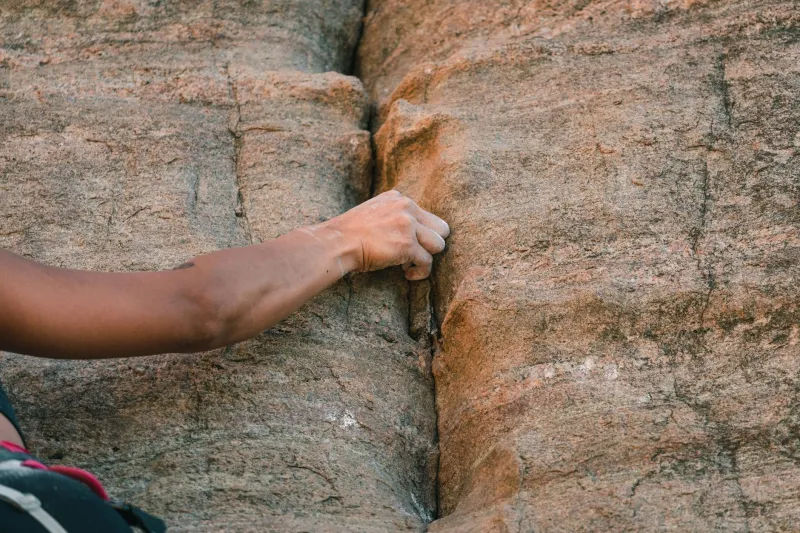
You've climbed your home crag a hundred times. You know which holds are slick after rain, where the good rest stances are, and exactly how your body feels three moves before the crux. Then you show up somewhere new — say, the sandstone pockets of the Red River Gorge after years of climbing granite in North Carolina — and suddenly you feel like a complete beginner. Your hands sweat. Your footwork gets sloppy. You second-guess moves that would feel routine back home.
This isn't a skill gap. It's a mental one. And the good news is it's trainable.
Why Unfamiliar Rock Messes With Your Head
When you climb a route you've never touched before, your brain is doing a lot of work in the background. It's scanning for threats, comparing what it sees to past experiences, and trying to predict outcomes — all at the same time. On familiar terrain, that process runs quietly in the background. On new rock, it gets loud.
Dr. Leah Simmons, a sports psychologist who works with outdoor athletes in Colorado, describes it this way: "The amygdala — the brain's threat-detection center — doesn't distinguish between a genuinely dangerous situation and an unfamiliar one. Novel environments can trigger the same stress response as real danger, even when you're perfectly safe on a well-bolted sport climb."
That stress response does real, physical things: elevated heart rate, shallow breathing, muscle tension. All of which make climbing harder. And harder climbing feeds the fear. It's a loop that plenty of climbers know intimately.
Reframe the Unfamiliar as Data, Not Danger
One of the most practical mental shifts you can make on new rock is to treat the uncertainty as information-gathering rather than threat exposure. Veteran trad climber Marcus Webb, who has climbed at more than 60 different crags across the US, calls this "curiosity mode."
"When I'm nervous on new terrain, I try to get genuinely interested in what the rock is telling me," he says. "What does the texture feel like under my fingers? How does the friction behave? Where is the rock leading my eye? If I'm in problem-solving mode, I'm not in panic mode."
Practically, this means slowing down your approach to a route rather than rushing through it. Take time on the ground to read the line, talk through sequences out loud, and identify the sections that feel uncertain. Naming what scares you specifically — "that sloping foothold at the roof" rather than a vague dread — gives your brain something concrete to work with.
Breathing Isn't Just Advice — It's a Tool
You've probably heard "just breathe" so many times it's become meaningless. But there's actual physiology behind it, and when done deliberately, breath control is one of the fastest ways to dial down a runaway stress response.
Box breathing — inhale for four counts, hold for four, exhale for four, hold for four — has been used by military personnel and elite athletes to regulate the nervous system under pressure. For climbers, a simplified version works well at rest stances: a slow, deliberate exhale before committing to a crux sequence signals to your body that you're not in immediate danger.
Simmons recommends practicing this at home, not just on the wall. "The more familiar the technique is, the more accessible it is when you're actually stressed. If you only try to breathe your way through fear in the moment, it probably won't work. It needs to be automatic."
Visualization: More Than Just Daydreaming
Elite climbers have used visualization for decades, but most recreational climbers treat it as optional, if they use it at all. On unfamiliar rock, it becomes especially valuable.
Before getting on a new route, spend a few minutes doing a detailed mental run-through. Don't just picture yourself at the top — visualize the specific movements. Where are your feet? Which hand goes where? What does it feel like when you clip the third bolt? The more sensory detail you include, the more your brain treats the simulation as real experience, which reduces the novelty factor when you're actually climbing.
Webb does this for every unfamiliar route he projects. "I'll sit at the base and walk through the whole thing in my head, including the parts where I might feel uncertain. I don't skip the hard bits. I practice staying calm through them mentally before I ever touch the rock."
Build a Pre-Climb Routine
Consistency is calming. When everything else is unfamiliar — the rock type, the crag layout, the beta — having a personal ritual that stays the same gives your nervous system an anchor.
This doesn't have to be complicated. It might be a specific way you rack your gear, a few minutes of light movement to get blood flowing, a phrase you say to yourself before leaving the ground. What matters is that it's yours and you do it every time. Over time, the routine becomes a cue that tells your brain: we've done this before, we know what we're doing, we're ready.
Know When Fear Is Worth Listening To
Not all climbing fear is irrational, and it's worth saying that clearly. Fear on a sketchy runout, fear when you're fatigued and the gear placements are questionable, fear when conditions feel off — these are useful signals. The goal isn't to eliminate fear but to develop the judgment to tell the difference between fear as noise and fear as signal.
If you're genuinely unsure whether a situation is safe, it probably warrants backing off and getting more information. Confidence built on good judgment is durable. Confidence built on ignoring valid concerns isn't.
The Long Game
Getting comfortable on new rock is ultimately a practice, not a one-time fix. Every unfamiliar crag you visit expands your reference library. Every time you work through discomfort and come out the other side, you're building what psychologists call self-efficacy — the belief that you can handle what climbing throws at you.
So yeah, it's going to feel weird the first time you pull on limestone after a lifetime of granite. Give yourself permission to be a beginner for a day. Use the tools. Stay curious. And trust that the process of feeling uncertain and climbing anyway is exactly how confidence gets built — one unfamiliar move at a time.