All That Gear and Nowhere to Climb: What Your Outdoor Kit Is Actually Missing
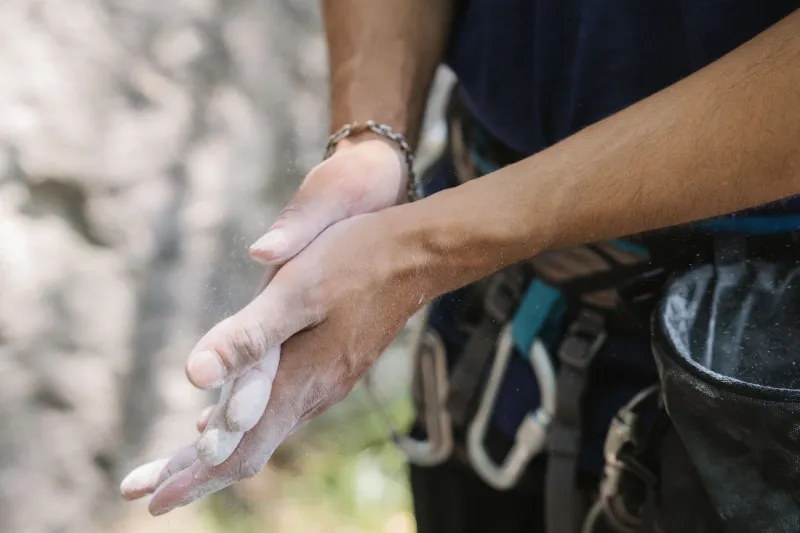
You've got a $180 harness. A chalk bag that cost more than your first road trip. Shoes you waited three months for. And yet the moment you pull up to your first outdoor crag, something feels off — like you've shown up to a potluck with a beautifully wrapped empty box.
This is one of the most common experiences for climbers making the gym-to-crag transition, and it's not about spending more money. It's about spending it on the right things. The gear that earns its keep at your local gym and the gear that actually keeps you safe on real rock are two very different lists.
The Gym Kit Is Built for a Controlled Environment
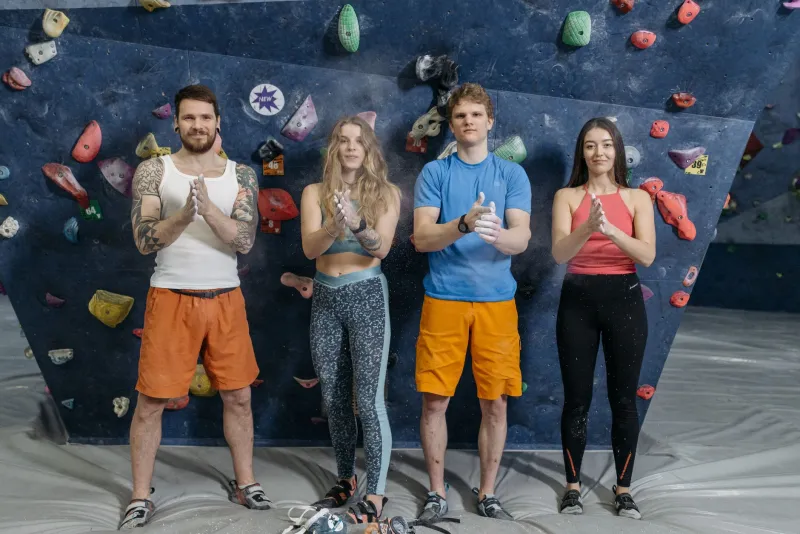
Indoor climbing facilities have already solved most of your equipment problems. The walls are bolted. The holds are set. The anchors are pre-rigged. The rope is often provided. What you're really buying at the gym is comfort and performance — shoes that edge well on plastic, a harness that doesn't dig in during a hangboard session, chalk that keeps your hands dry under fluorescent lights.
None of that is wasted. But none of it directly addresses what outdoor climbing actually demands from your gear.
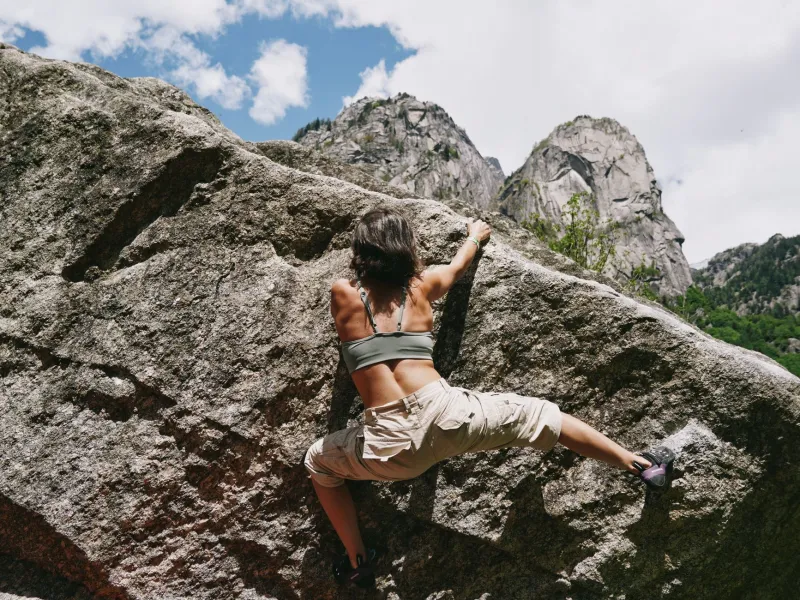
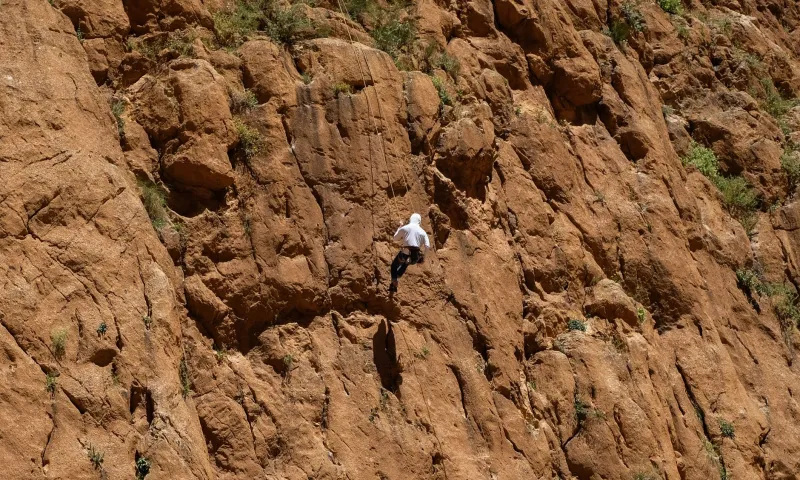
Outside, the environment doesn't accommodate you. The rock has its own agenda. And if your kit isn't built around protection, rope management, and anchor systems, you're not just underprepared — you're potentially in over your head.
Where Most Climbers Spend Wrong
The gear gap usually shows up in three places.
Protection systems. Gym climbers often own exactly zero pieces of protection gear. Why would they? At the gym, the draws are already on the wall. Transitioning to sport climbing outdoors means you need a rack of quickdraws — and not just any draws. Outdoor routes demand appropriate gate clearance, dogbone length, and durability for repeated falls on rough stone. Wire gates reduce weight and rattle less in the wind; straight gates on the bolt-end, bent gates on the rope-end is standard for a reason. If you're stepping into trad, the conversation gets exponentially more complex, but even sport climbing requires understanding extension and rope drag in a way that gym climbing simply doesn't train.
Rope management. At the gym, ropes are either fixed or you're toproping something someone else set up. Outdoors, you need a lead rope — and the spec matters. A 60-meter dry-treated rope is a solid starting point for most US sport crags, but some longer routes in places like the Red River Gorge or Rifle demand 70 meters. Beyond length, you'll want a rope bag or tarp to keep your line off grit and debris, because dirty ropes wear faster and feel terrible through a belay device. Many gym climbers own a rope and have never once thought about how to properly stack it or protect it from UV exposure.
Anchor-building tools. This one stings, because it's where the real safety gap lives. Gym climbing teaches you nothing about building anchors. Outdoor anchors — whether you're equalizing two bolts at the top of a sport route or building a gear anchor on a trad climb — require specific knowledge and specific gear. Cordelette, sewn slings, locking carabiners, and a working knowledge of systems like the SERENE-A method aren't optional extras. They're the difference between a fun day and a catastrophic one.
The "More Expensive Equals Safer" Trap
There's a persistent belief that premium gear automatically translates to outdoor readiness. A $300 belay device doesn't make you a better anchor-builder. Expensive cams mean nothing if you don't know how to place them. The most sophisticated auto-locking carabiner in your bag is useless if you've never practiced building a redundant system.
Gear manufacturers do an excellent job marketing performance and innovation, and a lot of that innovation genuinely matters. But the outdoor climbing market is also good at making you feel like the right purchase solves a knowledge problem. It doesn't. Skills and judgment are the actual safety systems — gear is just the hardware those skills operate through.
This is especially worth saying to climbers who came up in gyms, because gym culture rewards gear investment in visible ways. Better shoes show up immediately in your footwork. A lighter harness is noticeable on long routes. But outdoors, the invisible stuff — your understanding of rope systems, your ability to read rock quality, your comfort with exposure — matters far more than what brand logo is on your chalk bag.
Building an Actual Outdoor-Ready Kit
So what does a practical outdoor starter kit actually look like? Here's a grounded framework:
Start with a lead rope. A 9.5mm to 10mm, 60-meter dry-treated rope handles most situations and is durable enough to take some abuse while you're learning. Don't cheap out here, but you don't need a $300 competition rope either.
Get a real rack of sport draws. Twelve quickdraws is a reasonable starting number for most US sport crags. Mix of dogbone lengths is useful. Learn the gate orientation convention before you clip your first bolt.
Add anchor-building gear. Two or three locking carabiners, a couple of sewn slings in different lengths (60cm and 120cm), and a cordelette. Then — critically — take an anchor-building course or clinic. The American Alpine Club and many local climbing organizations offer these, and a single afternoon of hands-on instruction is worth more than any amount of gear.
A belay device that works outdoors. Your ATC or assisted-braking device from the gym is probably fine, but make sure you understand how it behaves differently when you're lowering off a real anchor versus a gym setup.
Pack the small stuff. Nut tool, extra locking carabiner, a headlamp (seriously — so many crag days run long), first aid kit basics, and a way to carry water. None of this is exciting to buy. All of it matters.
The Real Investment Is Time, Not Money
The climbers who thrive outdoors aren't necessarily the ones with the most expensive setups. They're the ones who went outside consistently, made mistakes in low-stakes situations, learned from mentors, and built a working understanding of how all their systems interact.
If you're making the gym-to-crag jump, the single best thing you can do is find an experienced partner or guide and get outside with them before you go solo-deep on gear purchases. Watch how they rack up. Ask why they made the choices they made. That context will shape every gear decision you make going forward — and it'll save you from spending $400 on stuff you don't need while overlooking the $30 cordelette that actually keeps you safe.
The rock doesn't care what you spent. It cares whether you showed up ready.